The application period for this training programme is now closed. Applicants will be contacted with information regarding the selection process by the end of February.
Training for the Contact Zone (TCZ)
Training for the Contact Zone (TCZ) is a European initiative dedicated to rethinking adult education with a special focus on museums and heritage learning. Its overarching mission is to strengthen European cohesion by fostering dialogue and promoting shared cultural understanding.
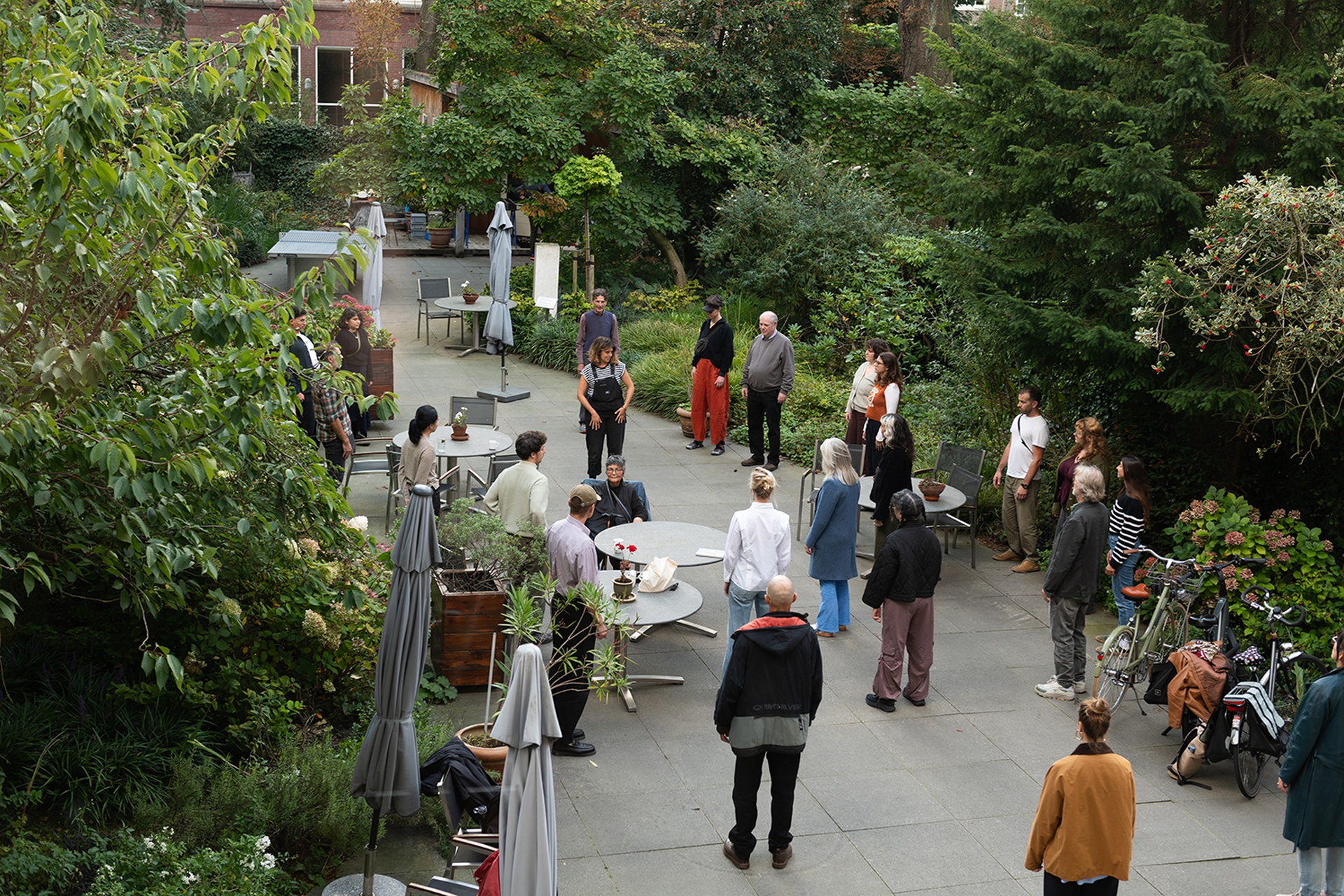
“Unlearning – Cultural Mediation Practices” is an in-person course aimed at developing strategies for the creation and mediation of cultural spaces and projects that are fairer, more representative, and more accessible.
Especially aimed at professionals* and students working in the cultural, social, and educational fields, this free training** will have a total duration of 32 hours*** and will take place in Porto. The training will be conducted in Portuguese.
This training, promoted by PELE in Portugal, is carried out within the framework of the European project Training Contact Zone, which is being implemented in seven countries throughout 2025 and 2026. It focuses on the concept of the Contact Zone as a cultural and social space where different (and sometimes opposing) perspectives, experiences, and narratives are brought into contact, coexistence, and dialogue.In the current context, Contact Zones prove to be increasingly relevant and urgent by: (1) challenging dominant narratives and amplifying voices that are usually silenced or more marginalized; (2) encouraging multivocality; (3) promoting empathy and understanding among diverse groups and communities; (4) stimulating processes of repair and re-signification of collective memory; (5) activating dialogue, creative experimentation, and participation with underrepresented communities and groups.
The training is structured around six thematic modules:
- Introduction to “Contact Zones”: Contexts and Practices
- Tensions and Opportunities in Cultural Heritage (tangible and intangible)
- Participation and Cultural Democracy
- Tools for Cultural Mediation
- Collective Narratives: Memory, representation, and re-signification
- Creative Practices for Reflection and Evaluation
The admission and selection process will be carried out by the PELE team. Within the scope of this call, no requests for reconsideration of decisions are foreseen, nor will comments or scores resulting from the evaluation of applications be disclosed.
Training dates:
In-person sessions: March 4 (6:00–8:00 pm), March 5 (10:00 am–5:00 pm), March 6 (10:00 am–5:00 pm), March 12 (10:00 am–5:00 pm), March 13 (10:00 am–5:00 pm), March 14 (10:00 am–2:00 pm)
Online session: March 19 (6:00–8:00 pm)
* employed and unemployed
** certification pending confirmation
*** 2 hours online and 30 hours in person
Training Curriculum:
Friday, 6 March
10:00 – 17:00
Location: Noble Hall, Bonfim Parish Council
Module: Memory and Re-signification
Theme: Laboratory of the Senses
Laboratory of the Senses: Impatient Heart is a space for creative experimentation that brings together artistic practices, art/education and art therapy, promoting the awakening of body, soul and mind. The activities encourage the elaboration of memories and reflections on otherness, care and repair, weaving spontaneous networks of sensitive sharing. The processes stem from socially generative themes and from the lived experiences of the artist-mediators, who have been developing this research and care project for years, in continuous dialogue between Brazil and Portugal.
Thursday, 12 March
10:00 – 13:00
Location: Casa d’Artes do Bonfim (meeting point)
Exploratory walk
Trainers: Maria João Mota, Janne Schröder
13:00 – 14:00
Lunch break (free time)
14:30 – 16:30
Location: Noble Hall, Bonfim Parish Council
Module: Cultural Mediation Tools
Theme: Mediation in Action – Reflections from Practice
Trainers: Anabela Rodrigues, André Sousa, Marta Bernardes and Matilde Seabra
Friday, 13 March
10:00 – 13:00
Location: Noble Hall, Bonfim Parish Council
Module: Creative Practices of Reflection and Evaluation
Trainer: Vanessa Marcos
13:00 – 14:00
Lunch break (free time)
14:00 – 17:00
Module: Participatory Practices and Cultural Democracy / Cultural Mediation Techniques
Theme: Theatre of the Oppressed – A Methodology for Participation and Cultural Mediation
Trainers: Atija Assane and Beatriz Villas Bôas (Uma Pausa Teatral)
Through exercises based on the Theatre of the Oppressed, we will promote physical and emotional self-awareness and group integration, encouraging the participation of each body within a collective body. From there, we will reflect on a state of community in which each participant contributes according to their abilities and limitations, while remaining aware of the limits of others.
Saturday, 14 March
09:30 – 12:30
Location: Praça do Marquês de Pombal (meeting point)
Module: Contexts and Practices of Contact Zones
Theme: Afrikan Tour
Facilitator: Kai Fernandes
This is a guided tour of the city of Porto unlike conventional tourism proposals. Throughout this experience, you will discover the city from an African perspective.
From the history of colonialism and the so-called “Discoveries” to the present day, the main goal of this visit is to reveal who the Black people living in Porto are and the histories that shape their lives. The beauty of the city conceals secrets and narratives that have rarely been told.
The presence of the Black community is more significant than many imagine, and this experience invites those unfamiliar with the diversity of African cultures to approach them in a critical and sensitive way. From art to gastronomy, this is an opportunity to discover and acknowledge the richness of the Black community in Porto.
15:00 – 17:00
Location: Adega
Module: Contexts and Practices of Contact Zones
Theme: Case Studies – Presentation
Trainers: Fernando Almeida, Janne Schröder and Maria João Mota
Thursday, 19 March
18:00 – 20:00
Module: Contexts and Practices of Contact Zones (online session)
Theme: Final Reflections
Trainer: Maria João Mota
About the project
TCZ will develop and test training materials for professionals, artists, cultural mediators, staff, and volunteers in the heritage sector. Our aim is to equip cultural practitioners with new skills in participatory and intercultural approaches, enabling them to create more inclusive, engaging, and future-oriented practices.
The TCZ project brings together a diverse partnership of organisations across Europe:
- Culture Action Europe (BE) – Networking & knowledge sharing
- Conexiones improbables (ES) – Curriculum development & pilot in Vitoria
- Etz Hayyim Synagogue (GR) – Training on interculturality
- Goethe-Institut (RO) – Communication & pilot in Bucharest
- Humán Platform (HU) – Training on post-communism
- PELE (PT) – Training on post-colonialism
- H 401 (NL) – Project management & pilot in Amsterdam
TCZ empowers cultural and heritage staff to create new forms of activities that strengthen cultural belonging. Through innovative curricula and training, it enhances professionals’ knowledge, skills, and confidence, helping them to:
- Develop dialogue-based approaches;
- Co-create narratives with communities;
- Explore dynamic new ways of presenting heritage—from virtual storytelling to participatory projects across Europe.
TCZ builds on the experience of the Heritage Contact Zone (HCZ) project (2018–2020), funded under the European Year of Cultural Heritage. One of HCZ’s major outcomes—the HCZ Toolkit, a free online handbook—laid the groundwork for this new initiative.
Training for the Contact Zone is co-funded by the European Union within the framework of Erasmus+ Adult Education.
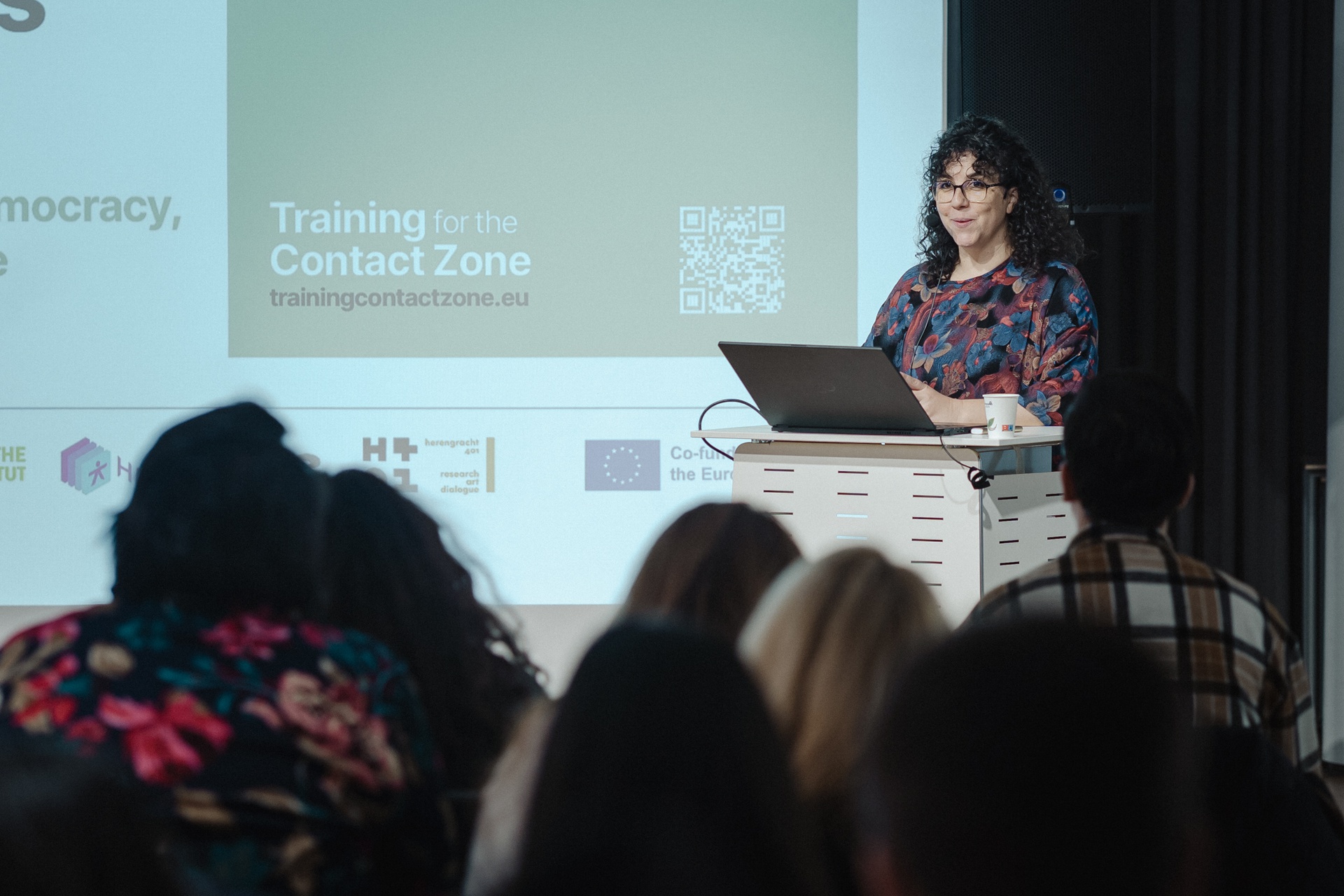
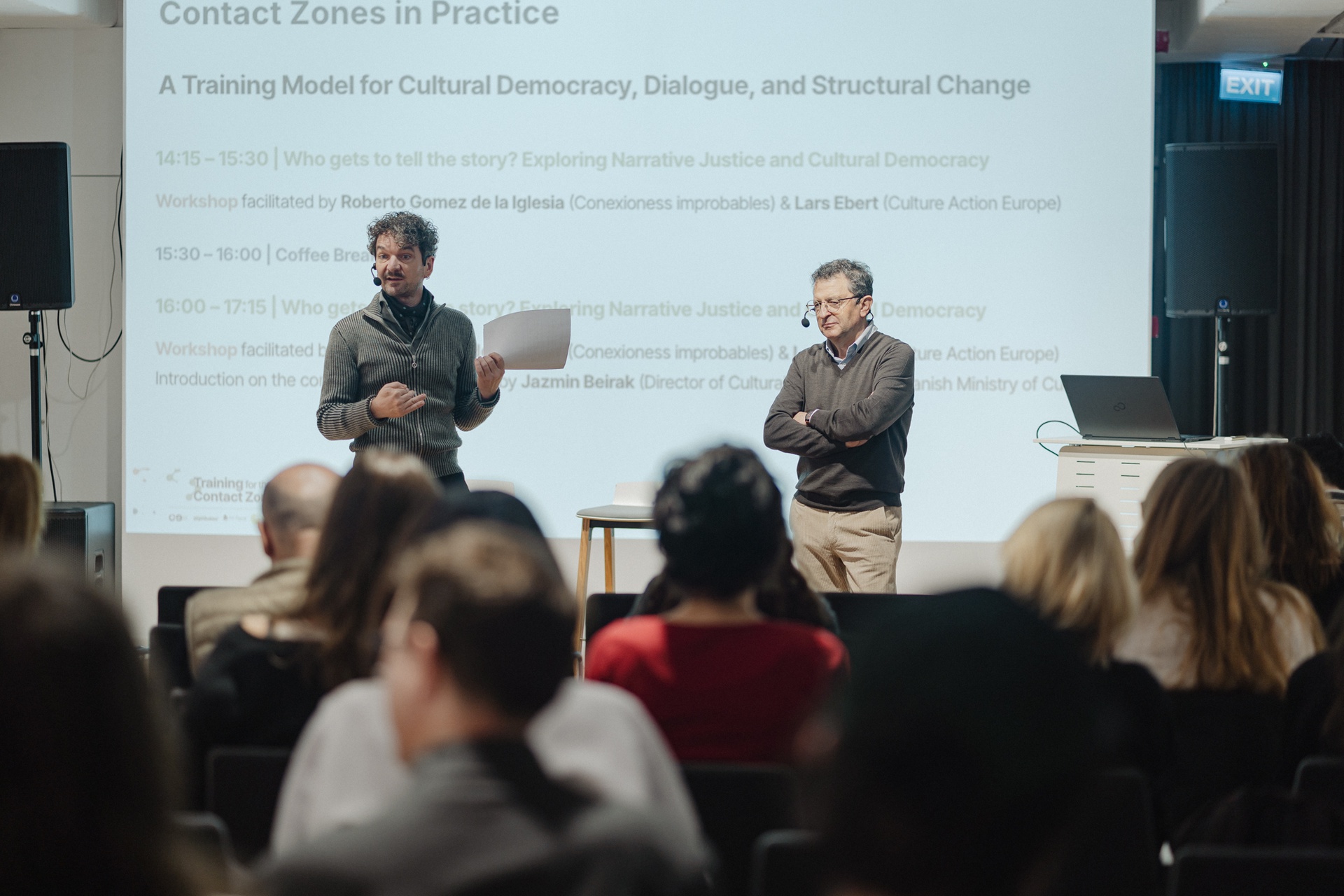
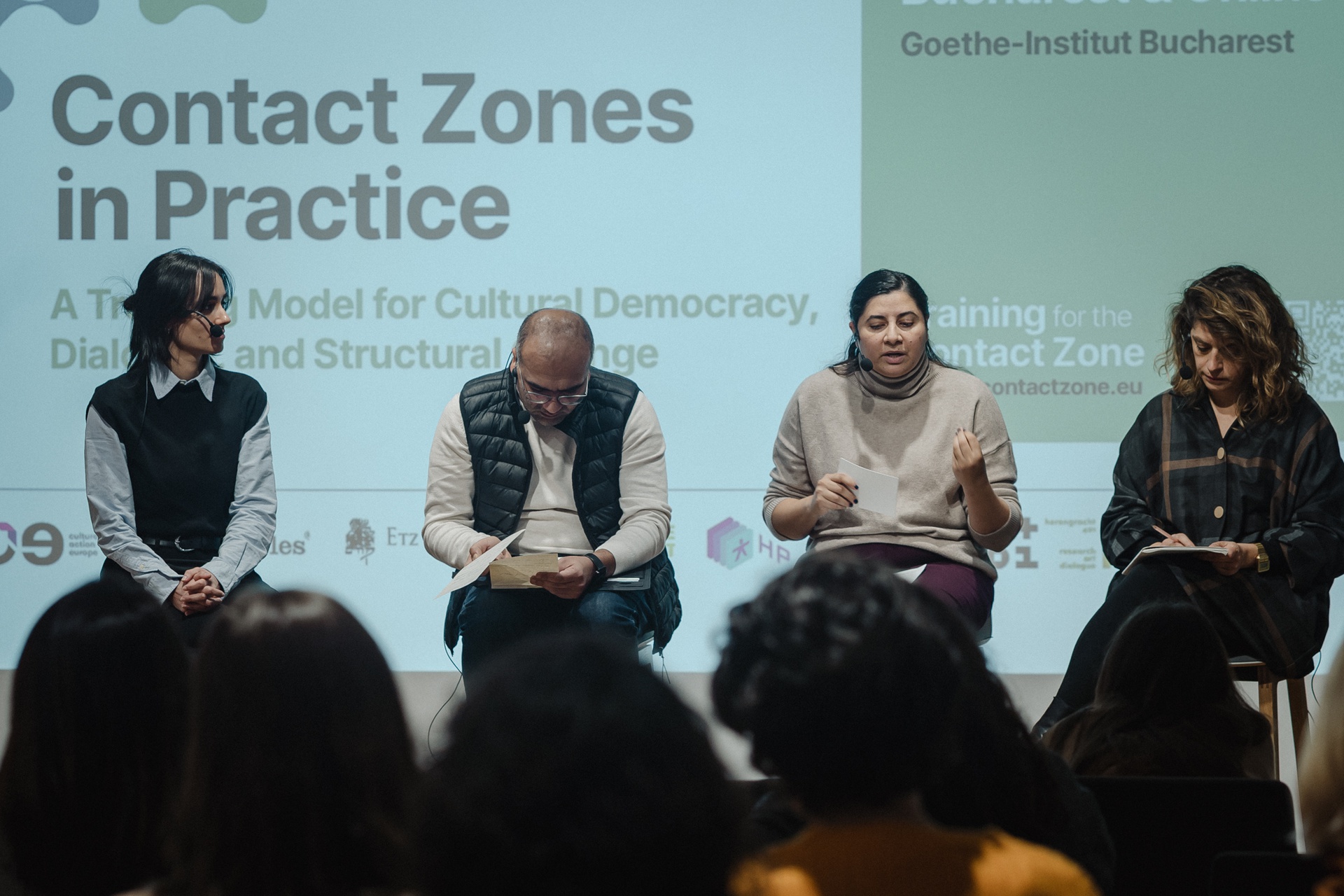
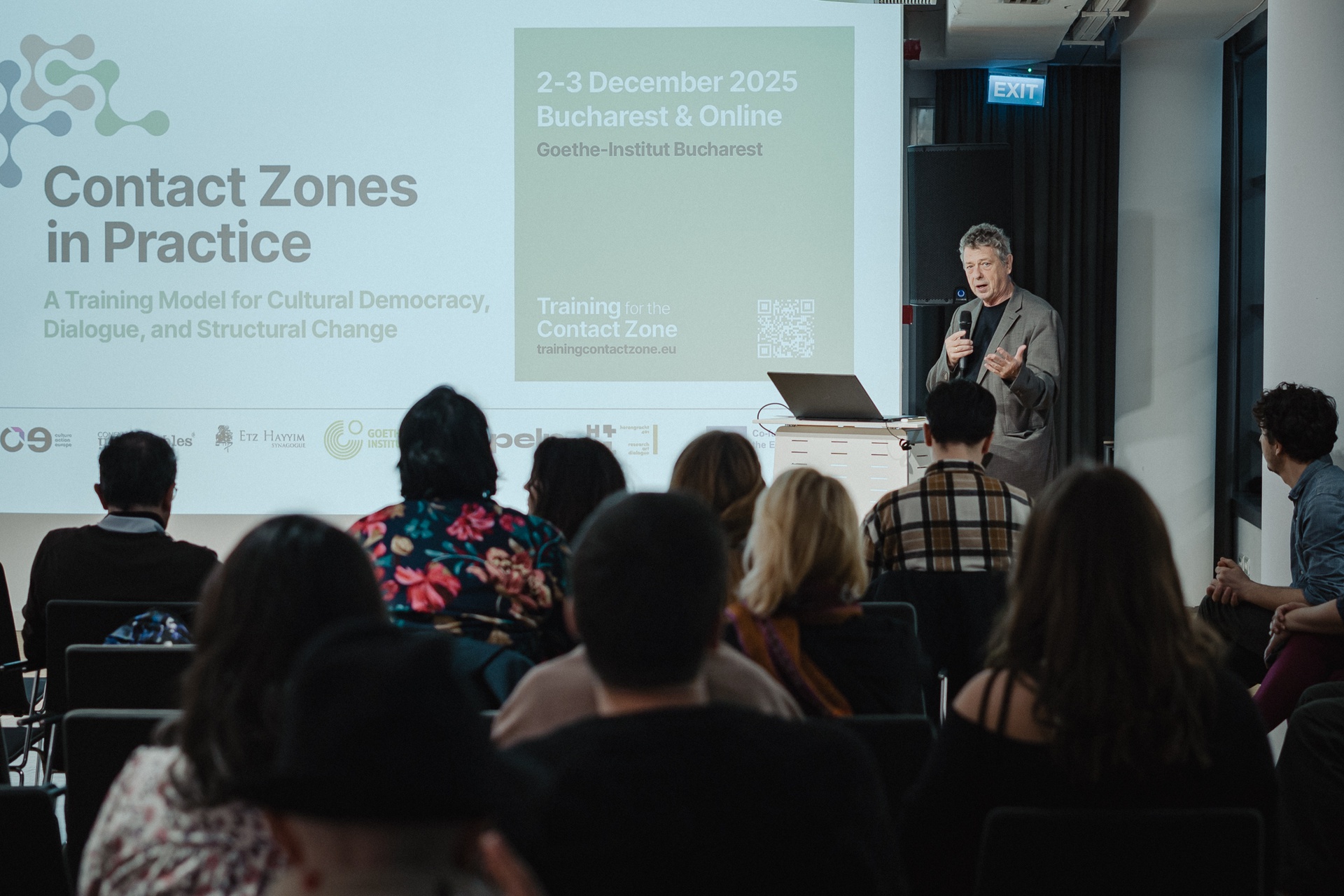
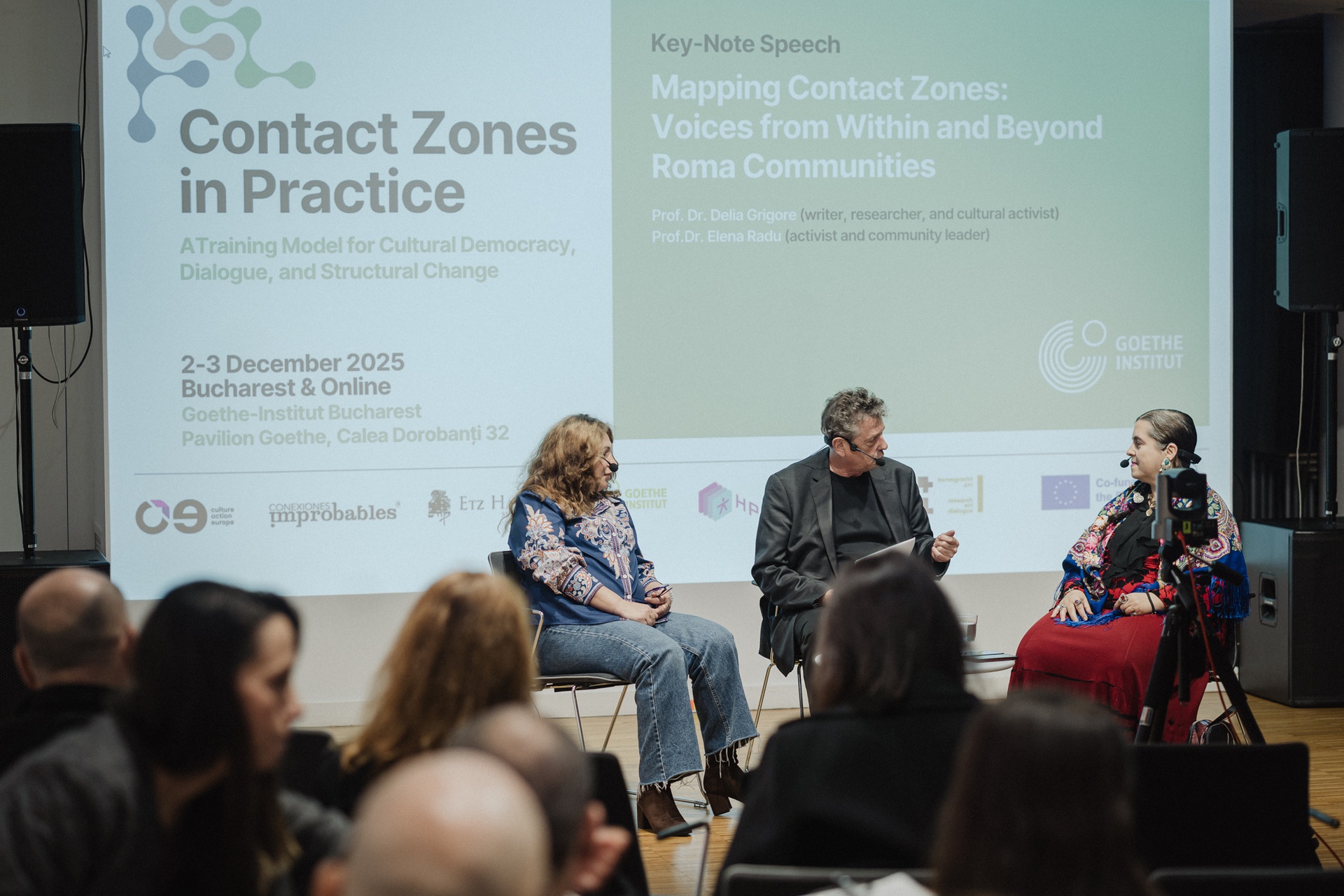
Training for the Contact Zones in Practice: Cultural Democracy, Dialogue, and Structural Change
2–3 December 2025
Goethe-Institut Bucharest
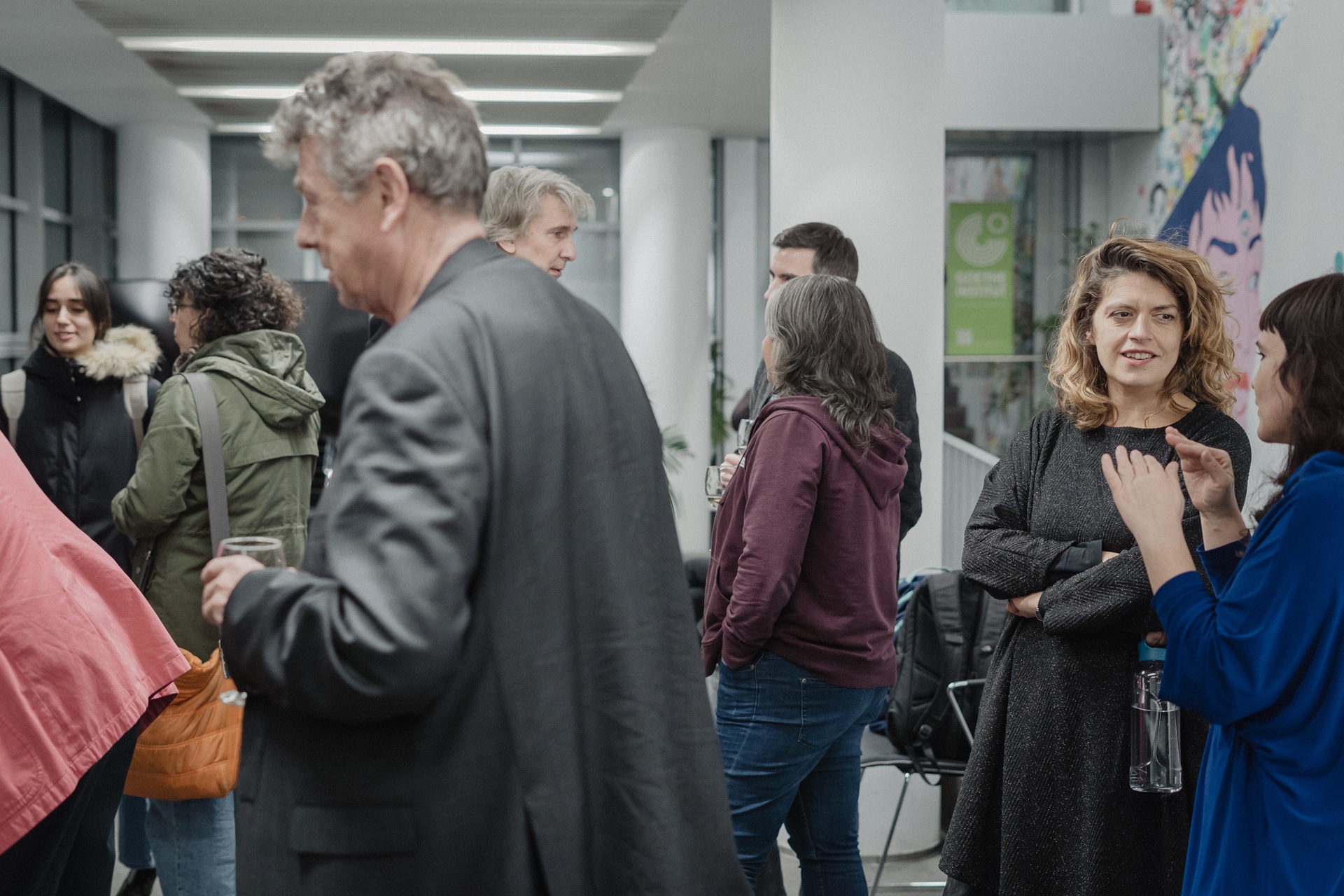
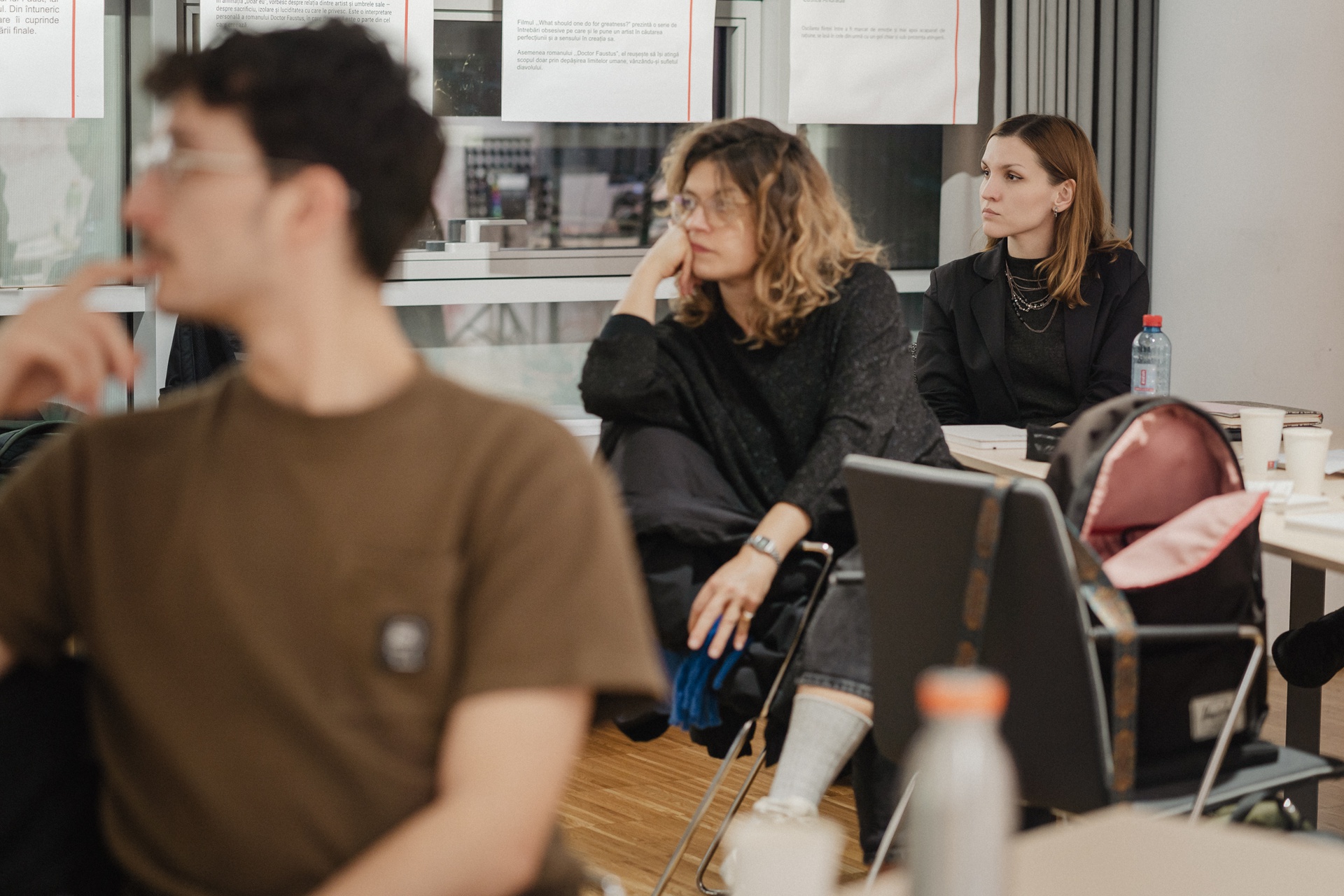
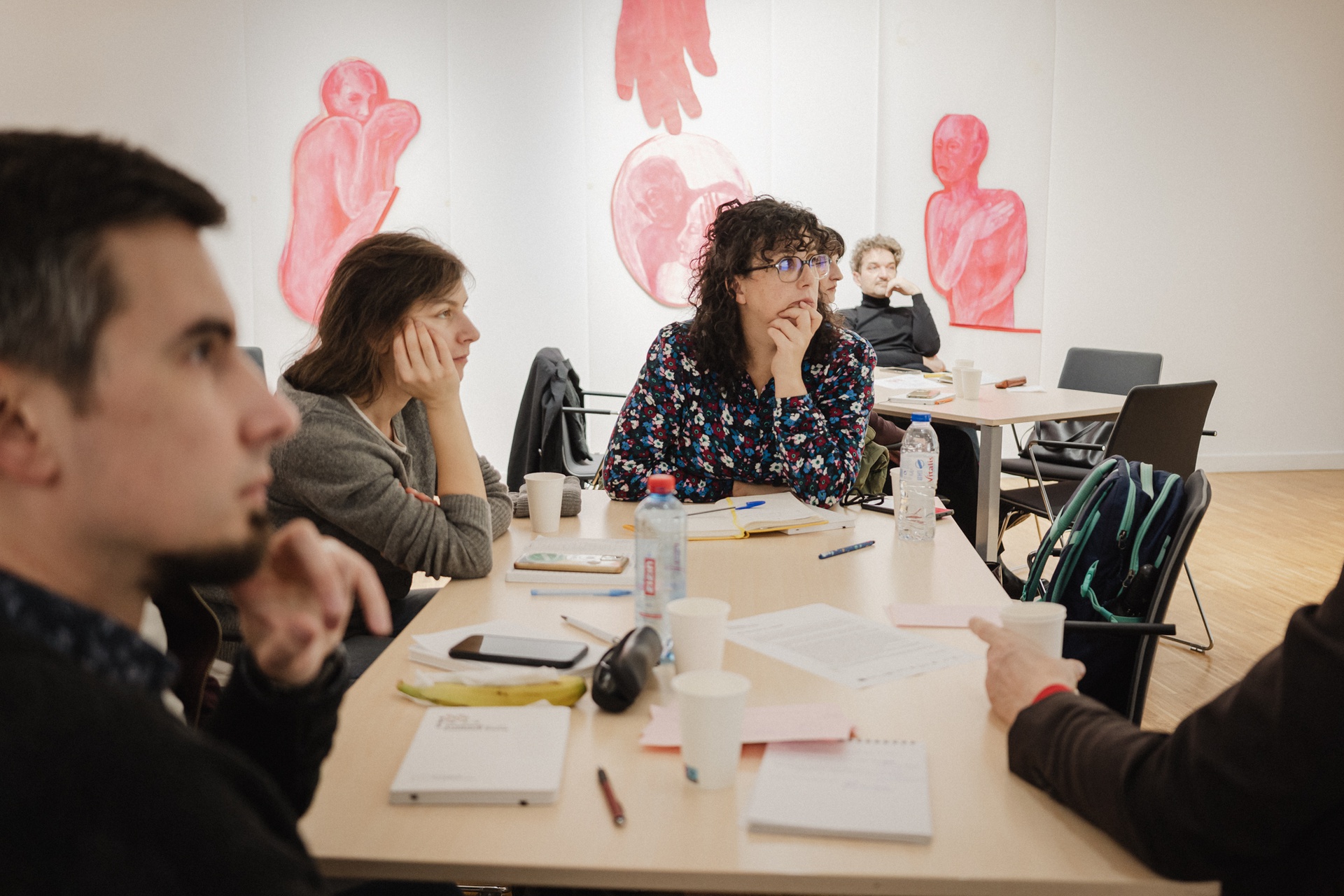
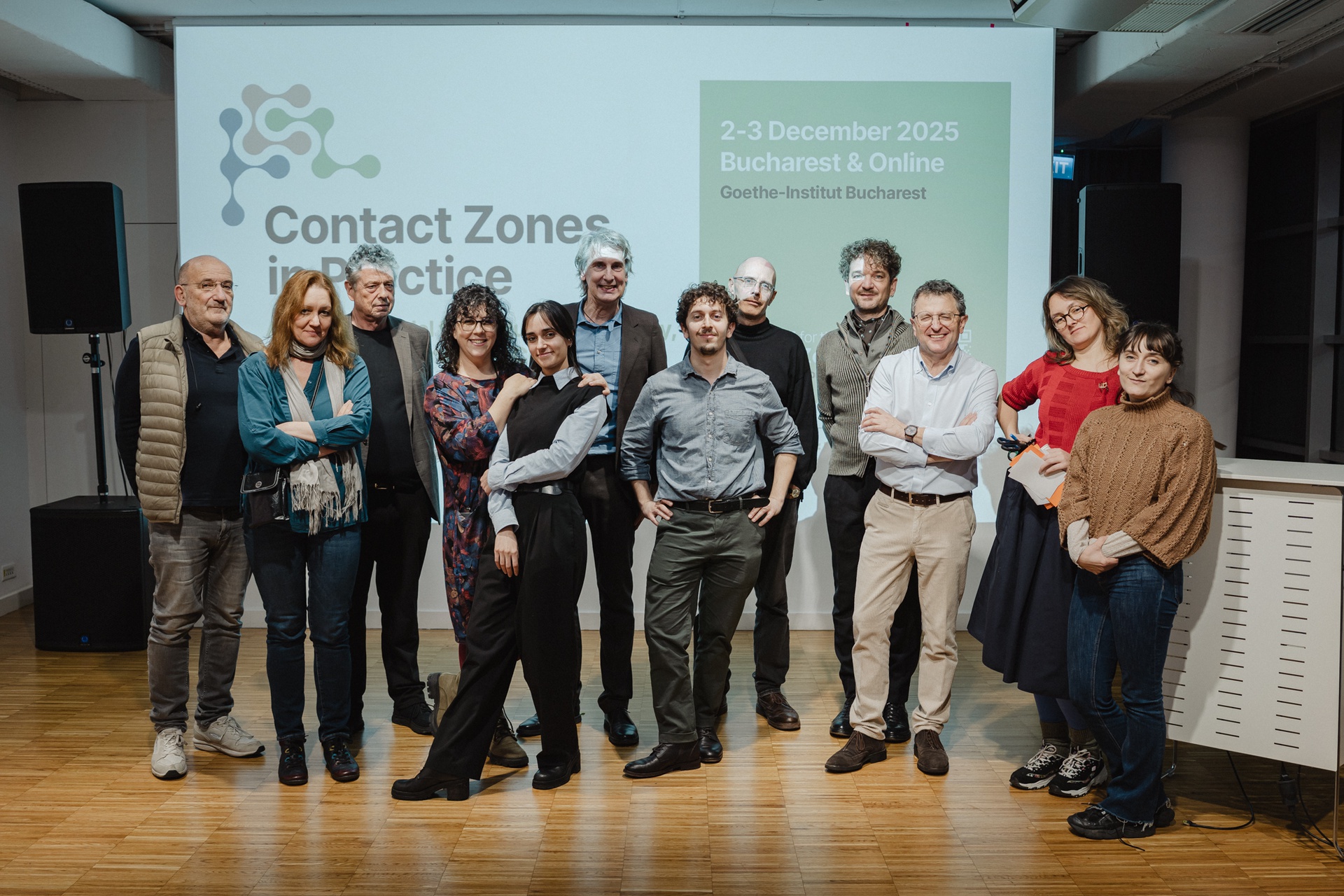
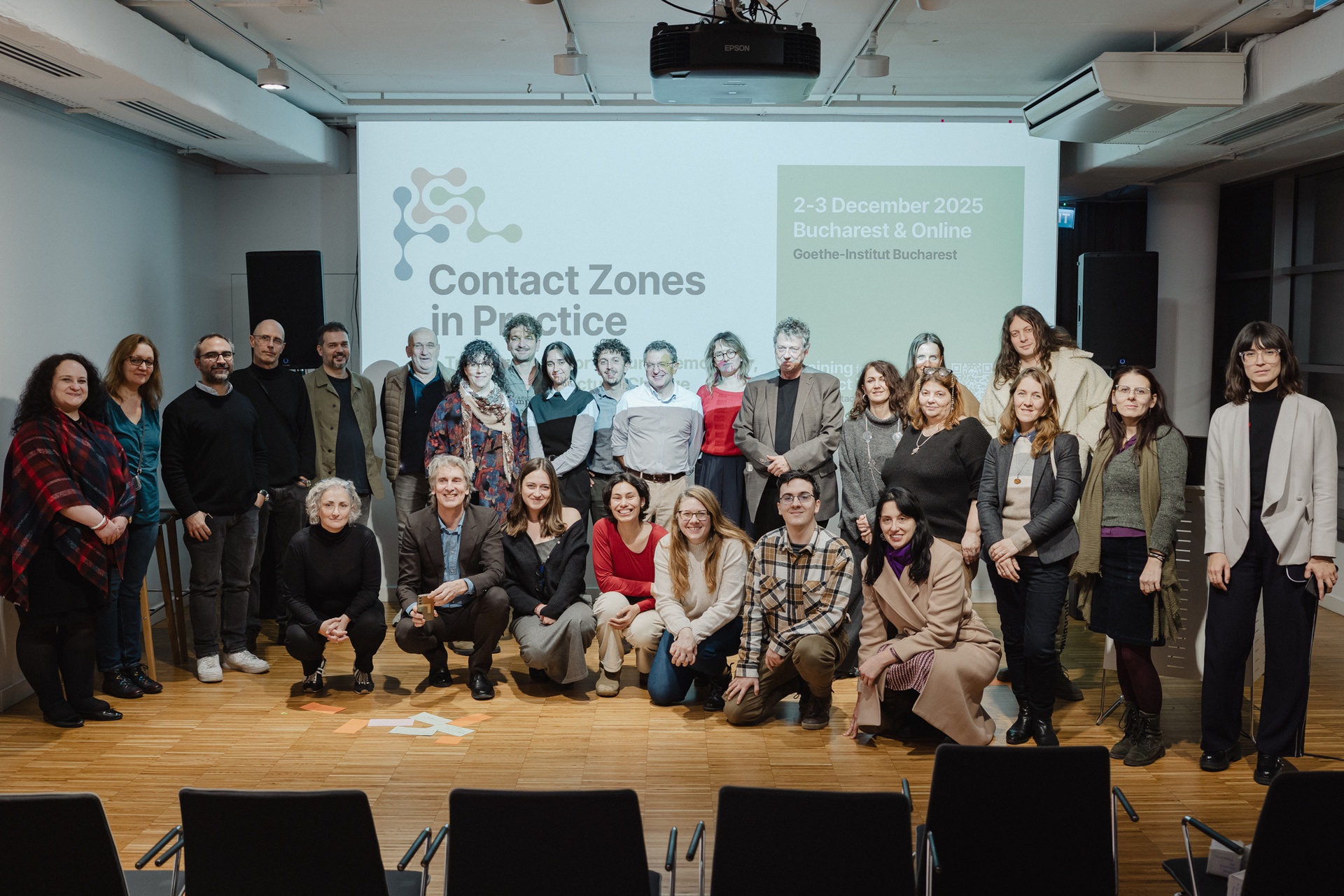
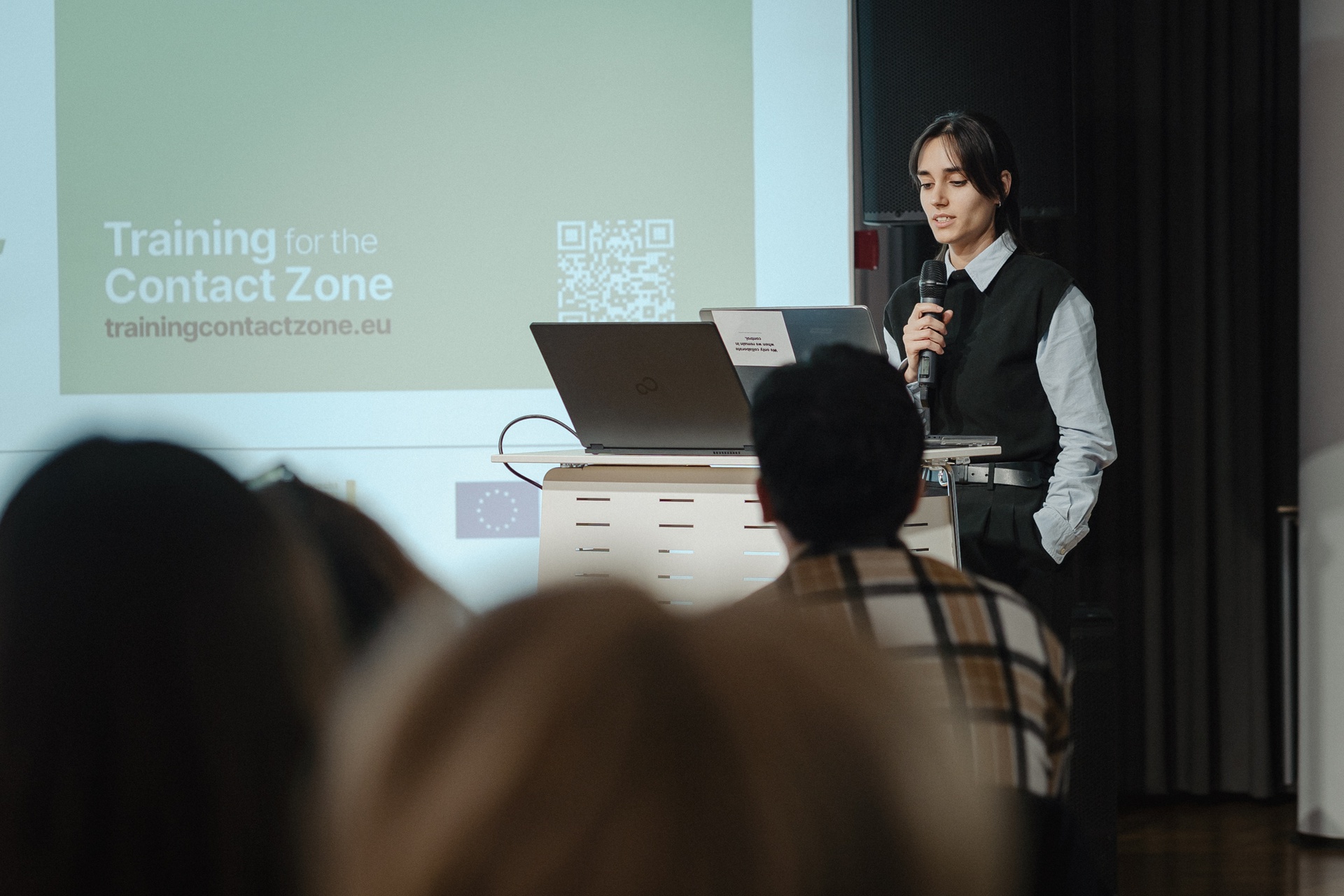
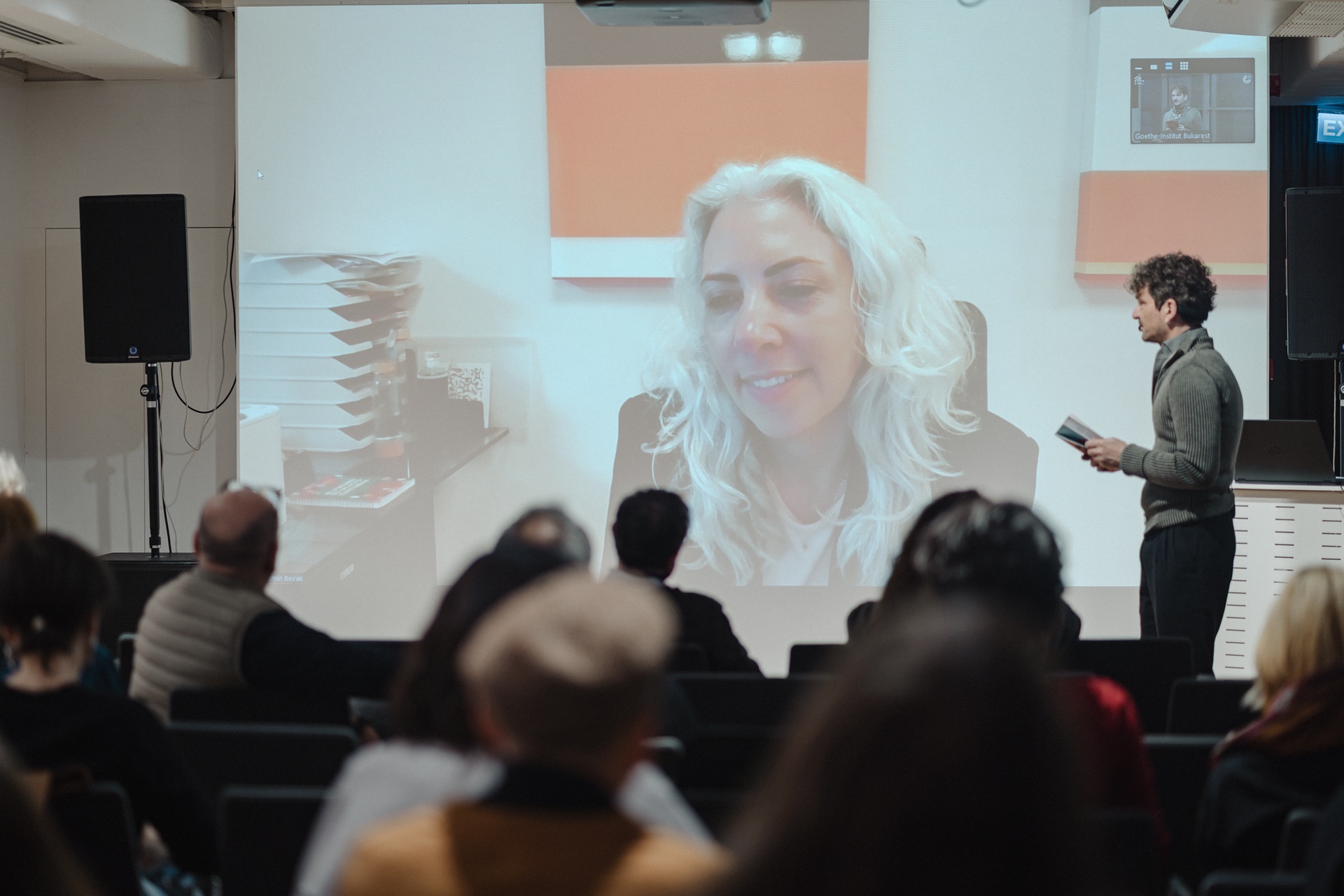
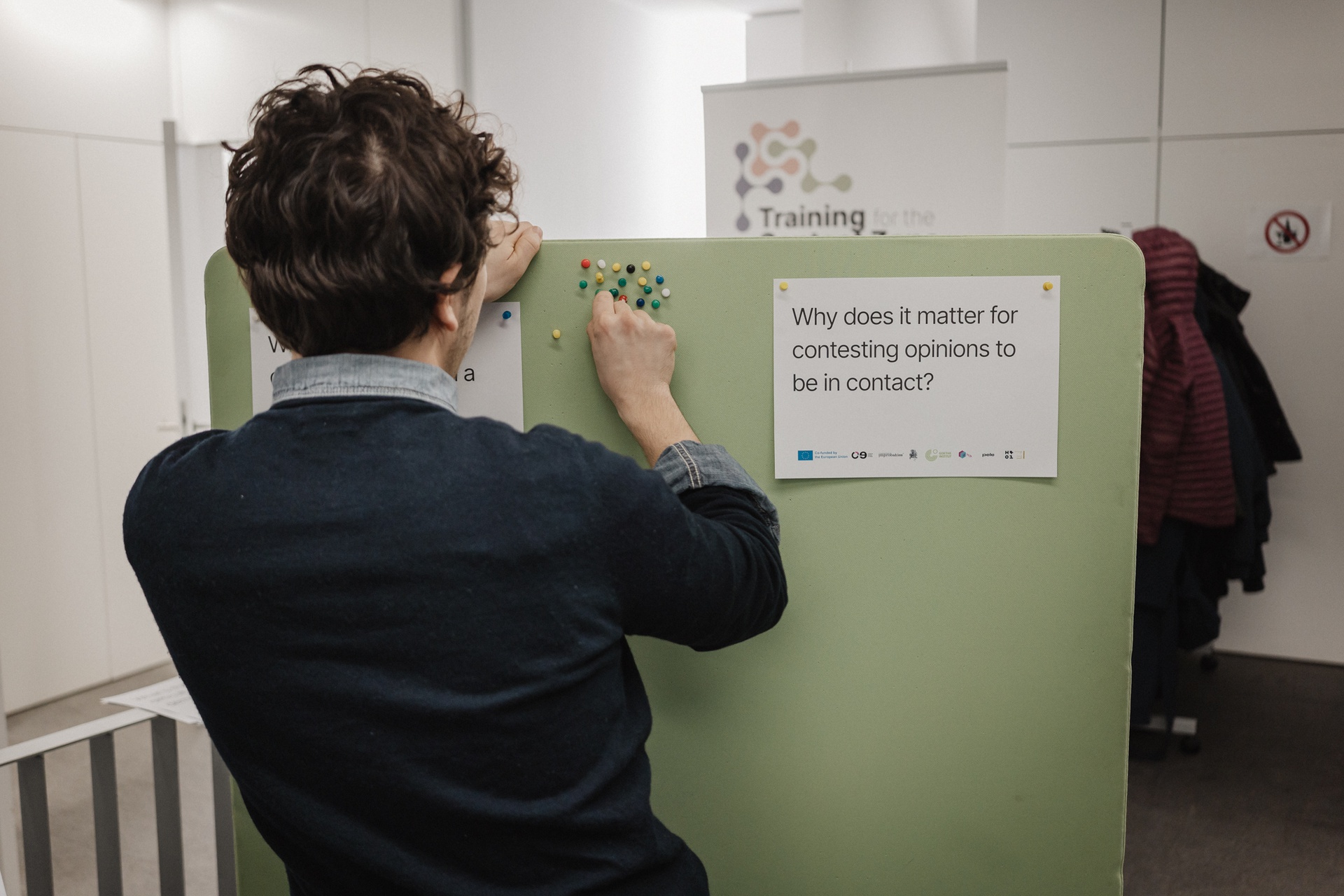
This international conference explored how cultural and heritage work can respond to Europe’s current challenges: growing political polarization, the shrinking of civic and cultural spaces, and declining trust in democratic processes. Drawing on the concept of the Contact Zone—spaces where different identities and perspectives meet—the event highlighted the role of dialogue and cultural mediation in fostering mutual understanding, inclusive participation, and collective action. The conference presented the results of the Training for the Contact Zone project (FZC / TCZ), which developed and tested a curriculum designed to equip professionals with practical tools to engage with complexity and difference.
At the same time, the conference symbolized both the culmination of a year of transnational collaboration and the starting point for new collaborative actions among the various partners that make up the consortium.